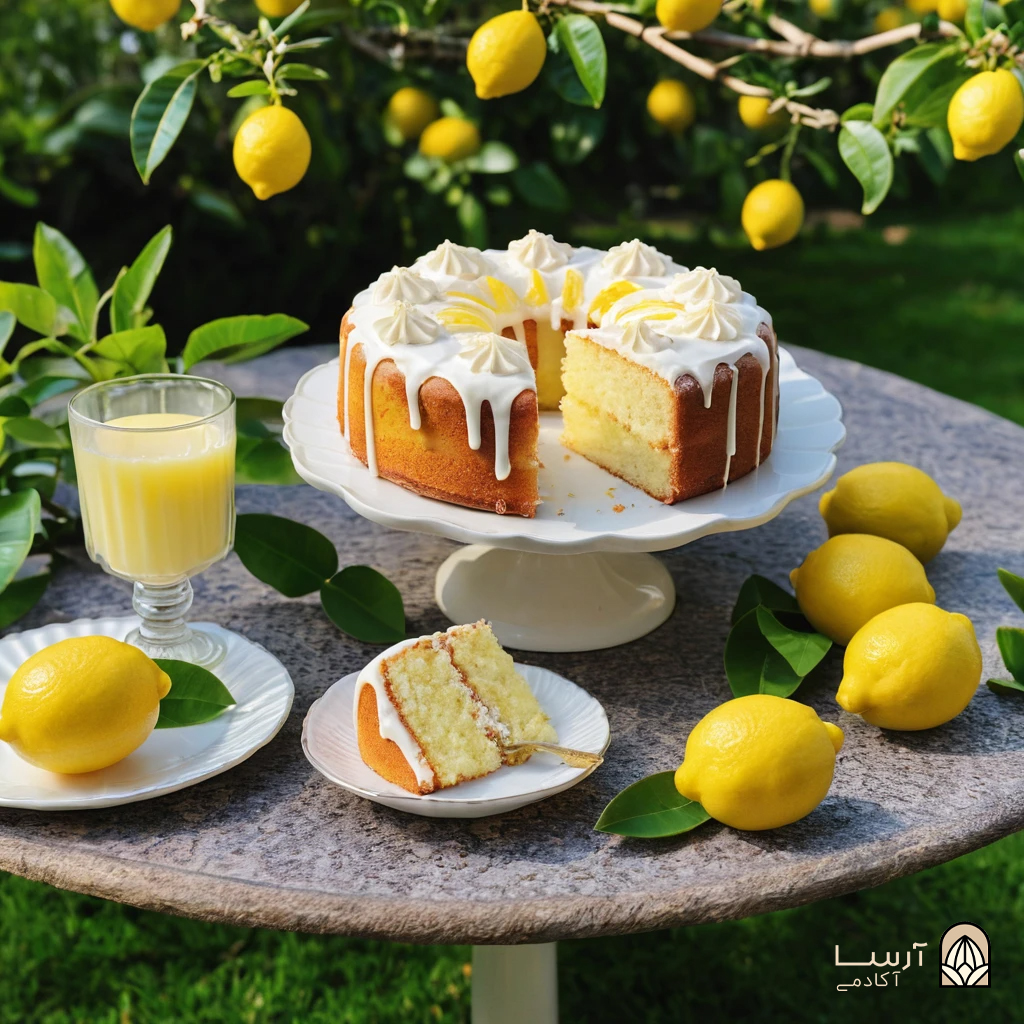

Baking a cake with a light and airy texture requires precision and scientific understanding. Many people face the problem of cakes that don’t rise properly—or rise unevenly—which often results from mistakes in ingredient selection, mixing techniques, or oven settings.
In this article, we’ll explore five common reasons for these issues and share professional solutions to fix them.
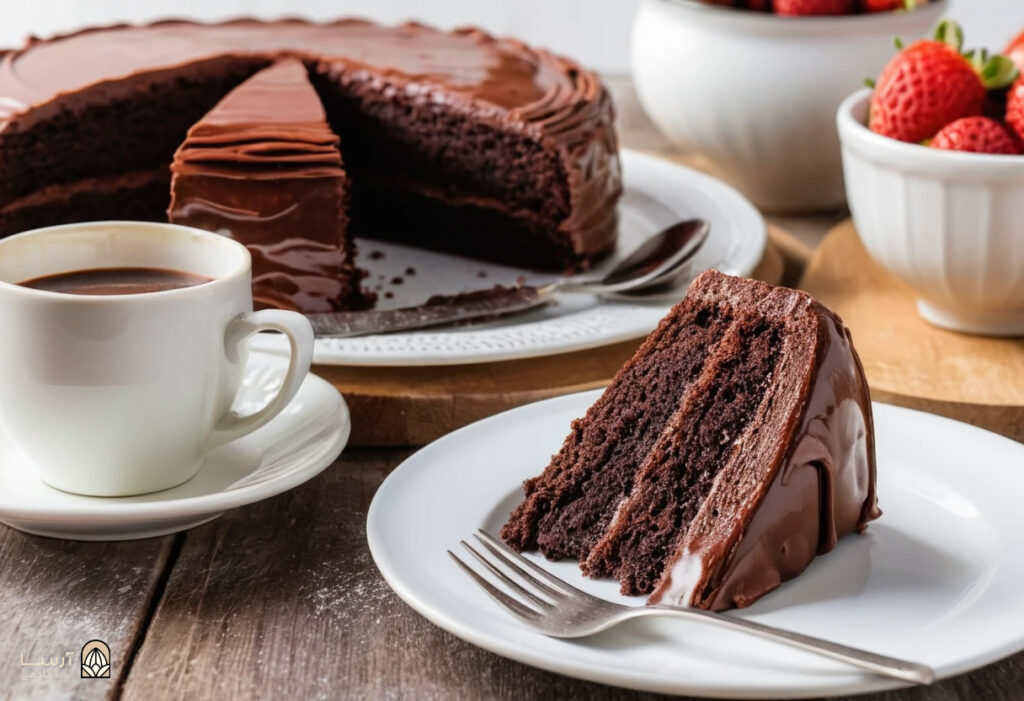
One of the main reasons for a flat cake is using low-quality or expired ingredients such as baking powder or baking soda. These are the key components responsible for creating air bubbles inside the cake’s texture. If they lose their effectiveness, your cake will turn out dense and heavy.
Solutions:
Overmixing or undermixing can greatly affect your cake’s texture. Overmixing can deflate the air in the batter, making it dense, while undermixing prevents even distribution of ingredients and air bubbles.
Solutions:
The oven plays a crucial role in cake baking. If the temperature is too low, the cake won’t rise properly. If it’s too high, the outside will bake and harden too quickly while the inside remains undercooked.
Solutions:
An imbalance between dry and wet ingredients directly affects the texture. Too much flour or too little liquid can make the cake dense and heavy.
Solutions:
Another common issue is when the cake rises on one side only. This usually happens because of uneven heat distribution, incorrect oven placement, or poor batter mixing.
Solutions:
A cake that doesn’t rise—or rises unevenly—can result from expired ingredients, improper mixing, inaccurate oven temperature, or incorrect ingredient ratios.
By following these professional tips, you can bake cakes with a light, airy texture and enjoy perfect results every time!