
Cookies are among the most versatile and widely enjoyed baked goods. Their popularity stems from their simplicity, wide range of flavors and textures, and adaptability to various formats, making them a favorite both at home and in professional pastry environments. Despite their seemingly simple appearance, baking a professional cookie requires a precise understanding of ingredients, dough preparation methods, baking temperatures, and storage techniques.
This article serves as a comprehensive guide to familiarizing yourself with different types of cookies, including an introduction to each variety, suggested recipes, and essential tips for achieving the perfect texture and flavor.
If you are interested in learning and baking various types of cookies, a specialized cookie course could be a perfect choice for you.
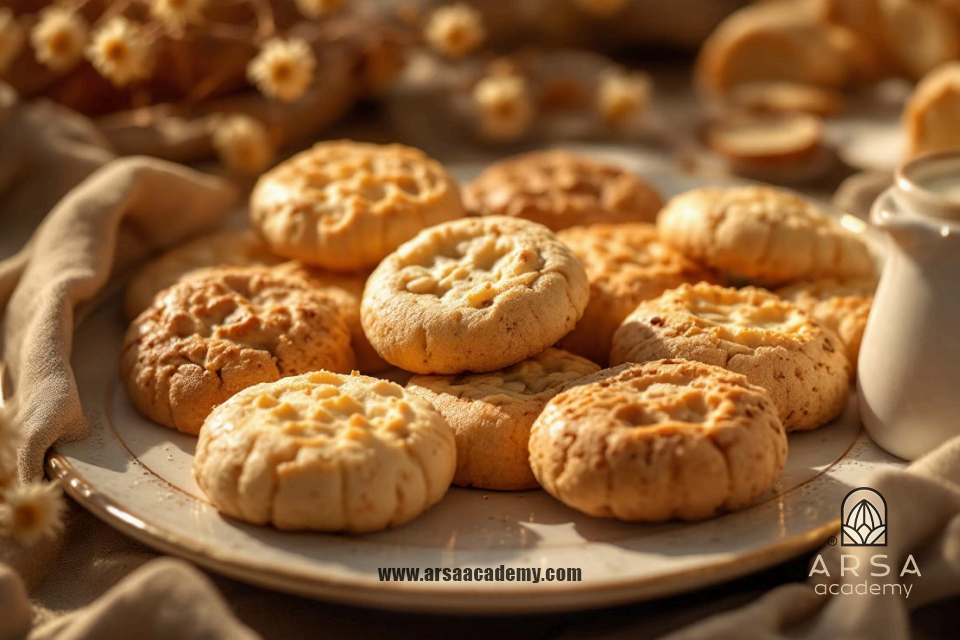
A cookie is a small, often round baked good, typically made from a combination of flour, sugar, fat (such as butter or margarine), and flavoring ingredients like chocolate, nuts, or spices. Depending on the recipe, ingredients, and baking method, cookies can range in texture from soft and moist to crisp and crunchy.
Cookies originated in Europe, but over time, they have evolved in different countries with unique ingredients, techniques, and styles. Today, cookies are widely consumed as snacks, served at gatherings, sold commercially, or packaged for everyday use.
Despite their simple appearance, cookies offer enormous potential for creativity in flavor, shape, and ingredients, which is why they are a popular focus in professional baking courses.
In the Arsa Academy hands-on cookie course, students are introduced to a wide range of modern and classic cookies, practice specialized recipes, and work step-by-step through professional baking principles—from dough preparation to storage.
Here, we introduce some of the most popular and versatile cookies, which are also taught practically in Arsa Academy’s in-person courses. These cookies vary in flavor, texture, and preparation method and can be suitable for formal events, home sales, or personal consumption.
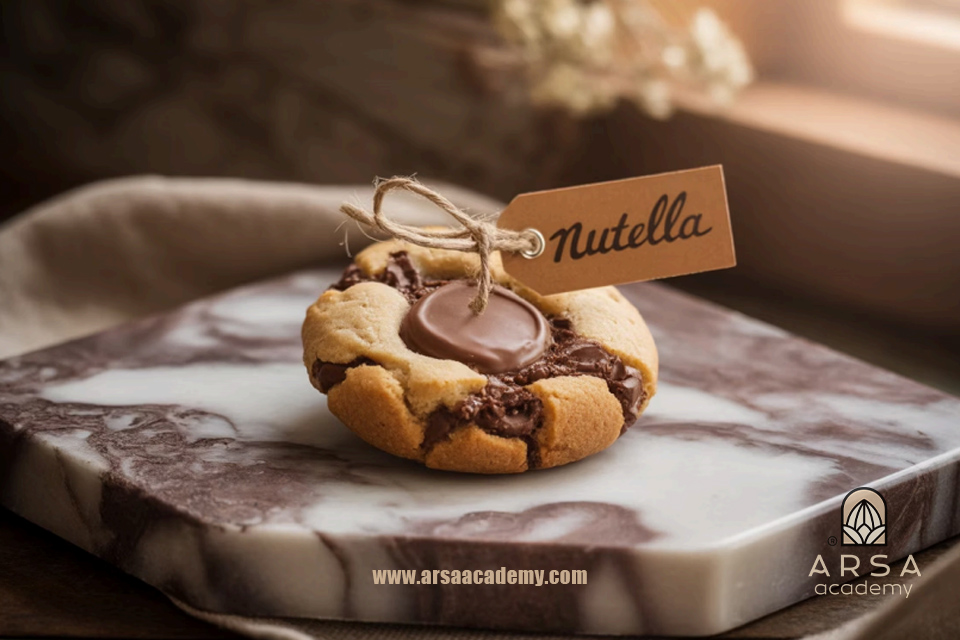
Nutella cookies are among the most popular chocolate-based cookies, featuring a soft texture with a Nutella-filled center. Their rich flavor and attractive appearance make them perfect for parties and even for sale.
Key Tip: To maintain a soft Nutella center, freeze the Nutella for a few hours before placing it in the center of the dough.
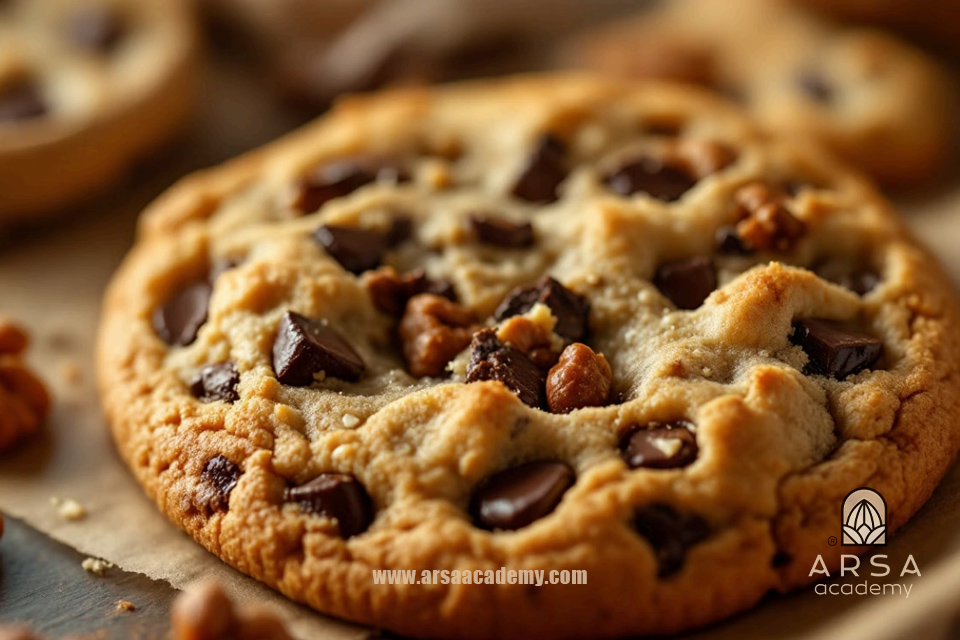
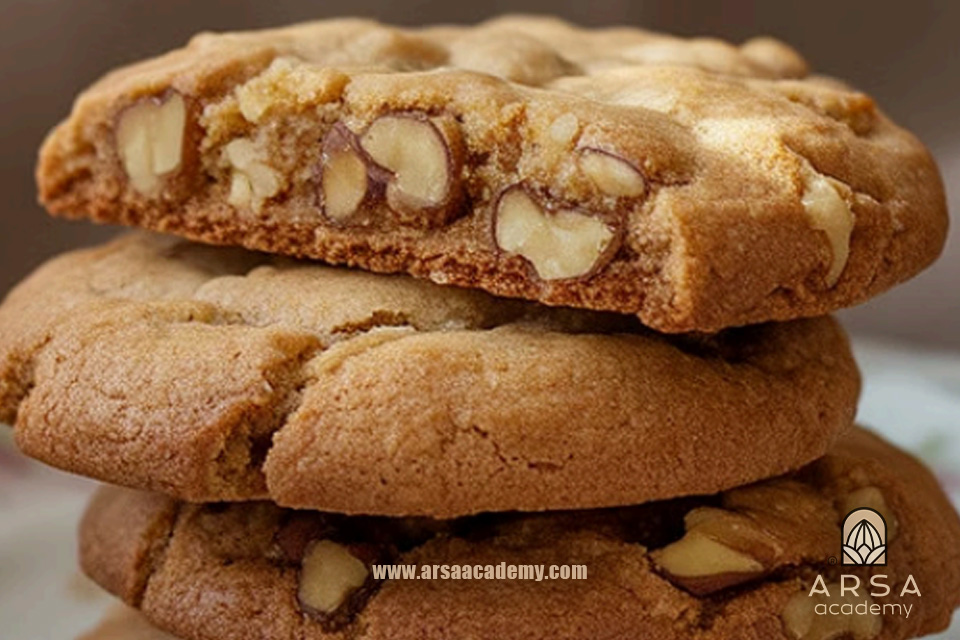
Known for its thick, chewy texture with a slightly crisp exterior, the New York-style cookie often contains large chocolate chunks and nuts and is baked at a higher temperature to achieve its signature texture.
Key Tip: Using a combination of white and brown sugar helps create the chewy interior.
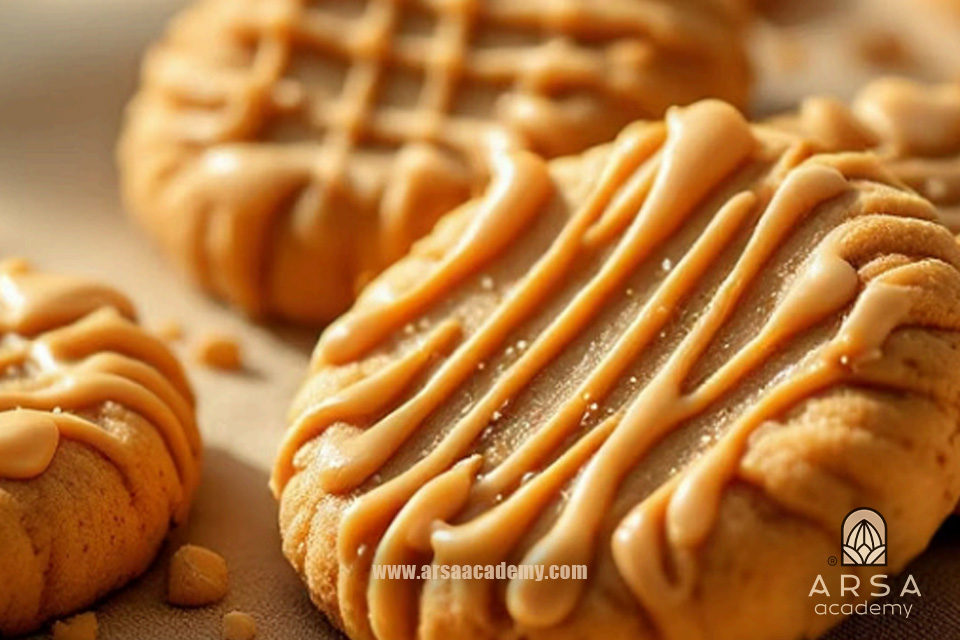
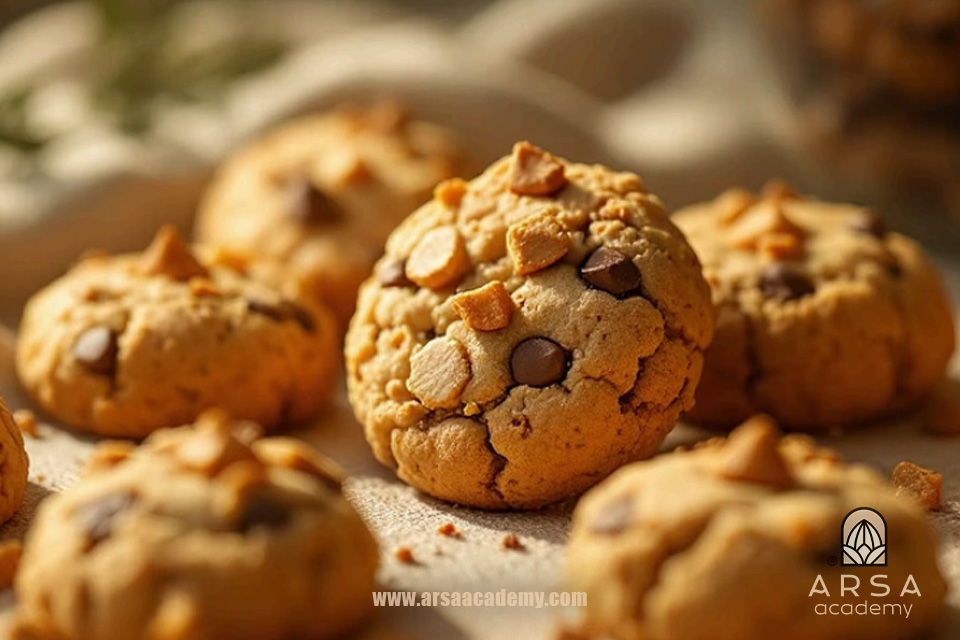
Made with peanut butter, this cookie is ideal for those who enjoy nutty and energy-rich flavors. It can be made plain or with added chocolate or hazelnuts.
Key Tip: Using natural peanut butter (without added sugar) results in a firmer, more cohesive cookie texture.
Due to its high protein content, it is also a great choice for an energy-boosting snack, popular among athletes and active individuals.
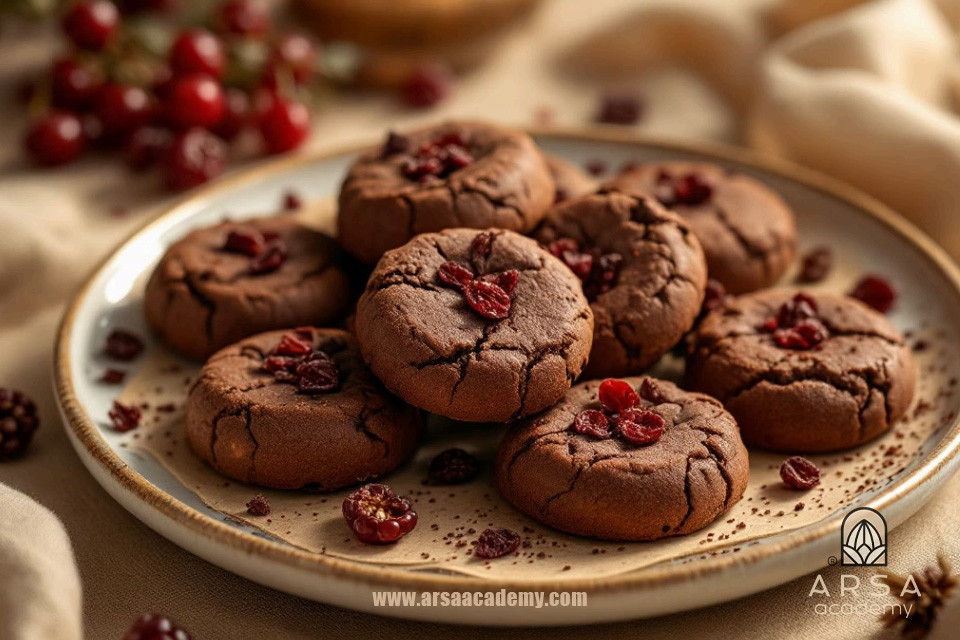
This cookie combines the richness of chocolate with the tartness of barberries, creating a balanced and unique flavor. Typically baked in small, bite-sized portions suitable for serving.
Key Tip: Lightly toast barberries before adding to the dough to enhance their flavor.
A classic cookie, walnut cookies can be prepared plain or with walnut filling. Their rich flavor pairs perfectly with hot beverages.
Key Tip: Coarsely chopped walnuts create a better texture than finely ground ones.
Made using Lotus biscuits or Lotus cream, this cookie has a distinct spicy flavor from the biscuits’ unique spices and is often served with cream on top.
Key Tip: For a softer texture, part of the butter can be replaced with Lotus cream.
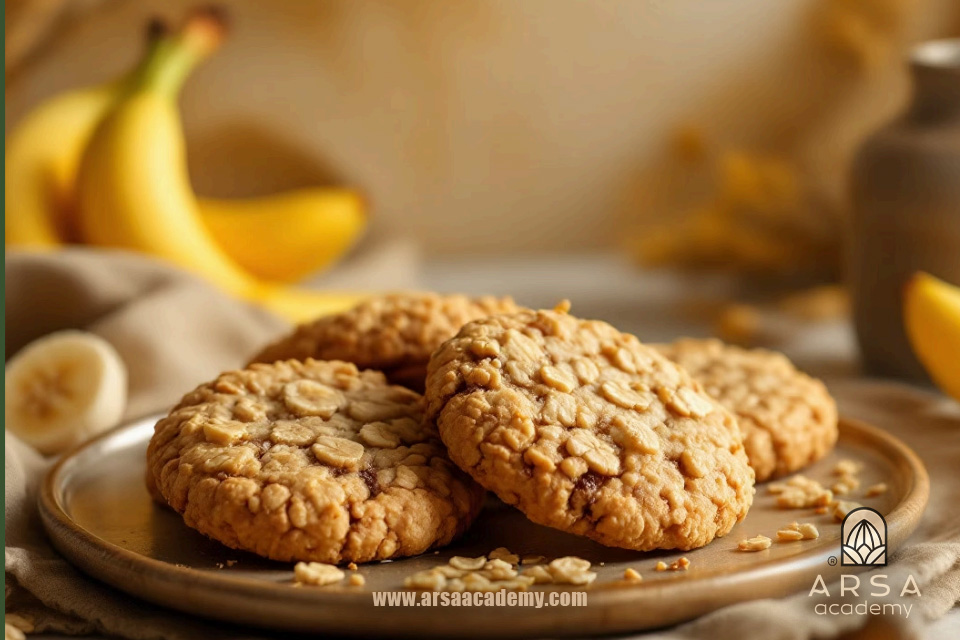
Considered a healthier option, this cookie uses oats instead of all-purpose flour and is suitable for breakfast or snacks.
Key Tip: Adding bananas or honey helps achieve a moist texture and better flavor.
Due to its high fiber content and lower sugar, it is a suitable choice for those seeking healthier dessert options.
A cookie with a chewy, elastic texture, made using mochi (rice dough) or similar fillings in the center. It combines Japanese-style ingredients with Western baking techniques.
Key Tip: Proper baking of the mochi dough is essential to maintain the chewy texture without drying out.
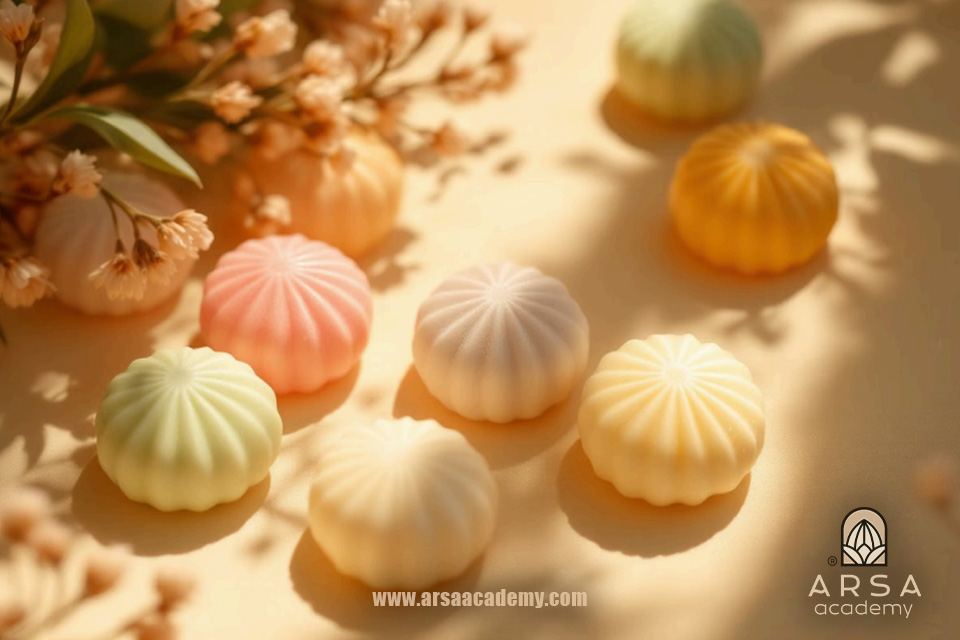
Made with praline cream and chopped or ground hazelnuts, this cookie is ideal for gift boxes due to its rich flavor and elegant presentation.
Key Tip: Homemade praline provides a stronger flavor than store-bought versions.
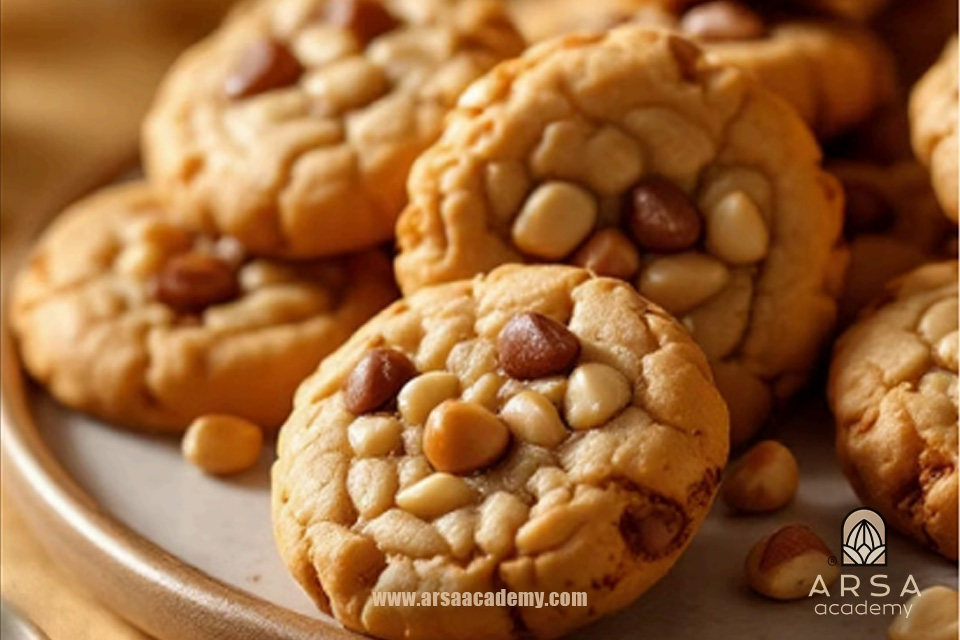
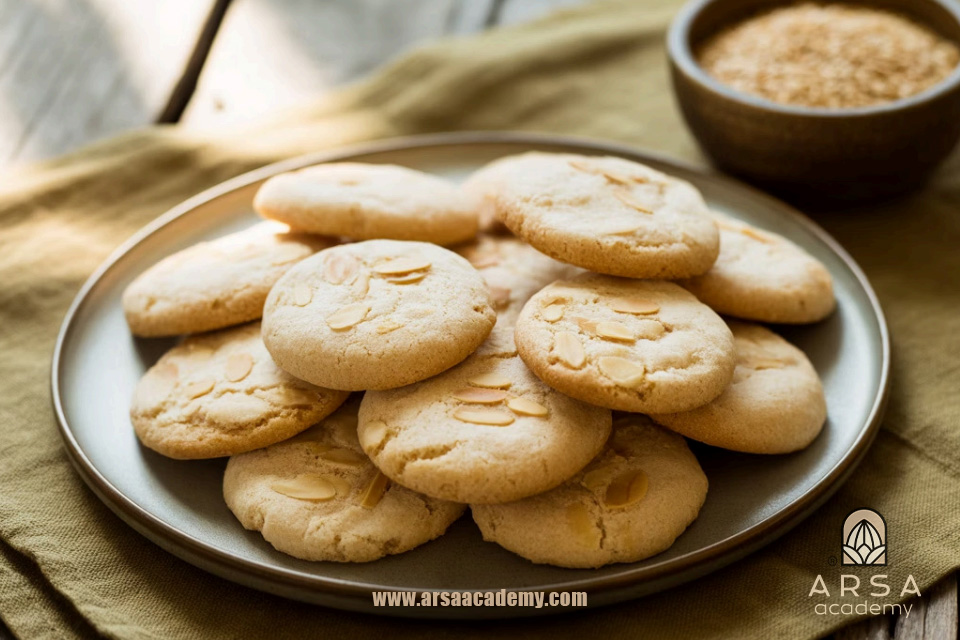
A unique combination of almond flour and Vitin (an Asian rice flour), creating a delicate, slightly firm texture with a distinct taste.
Key Tip: Maintaining the precise ratio of flours is crucial to preserve the cookie’s structure.
While cookie preparation may seem simple, the difference between an ordinary cookie and a professional one depends on attention to detail during dough preparation, ingredient mixing, baking time and temperature, and storage. Key technical tips include:
Baking cookies may be one of the simplest entries into the world of pastry, but achieving professional results requires a deep understanding of recipes, ingredients, techniques, and key points. This guide provides structured and practical information:
A professional cookie course can be an effective step for those aiming to enhance their skills in baking, catering, home sales, or education.
At Arsa Pastry Academy, a practical in-person course covers a wide range of popular and specialty cookies, including:
The course includes certification and is ideal for those aiming for professional catering, home sales, or teaching careers.
📌 View all Arsa Academy courses