Cheesecake is one of the most delicious and beloved desserts in the world, known for its rich flavor and smooth, creamy texture. Throughout history, this delightful dessert has evolved from simple early recipes to the more complex and modern versions we enjoy today. Today, cheesecake holds a special place on the menus of nearly all well-known cafés and restaurants around the world.
If you’re a baking enthusiast or want to learn how to make professional-quality cheesecakes, understanding its history, different variations, and the key techniques for preparing it correctly is essential.
Arsa Academy offers professional courses in pastry, chocolate making, cheesecake, whipped-cream cakes, cake decorating, and other confectionery skills, with official certification from the Technical & Vocational Training Organization.
In this article, we will fully explore the history, types, and proper methods of making cheesecake.
Contrary to popular belief, cheesecake has a very ancient history. The earliest form of cheesecake dates back to ancient Greece around 4,000 years ago. At that time, a mixture of fresh cheese, honey, and flour was used to make a dessert similar to what we now recognize as cheesecake.
This early version was often prepared as an energy-boosting food for athletes participating in Olympic games. With the expansion of the Roman Empire, the cheesecake recipe spread to other regions, where each culture adapted it according to its own tastes.
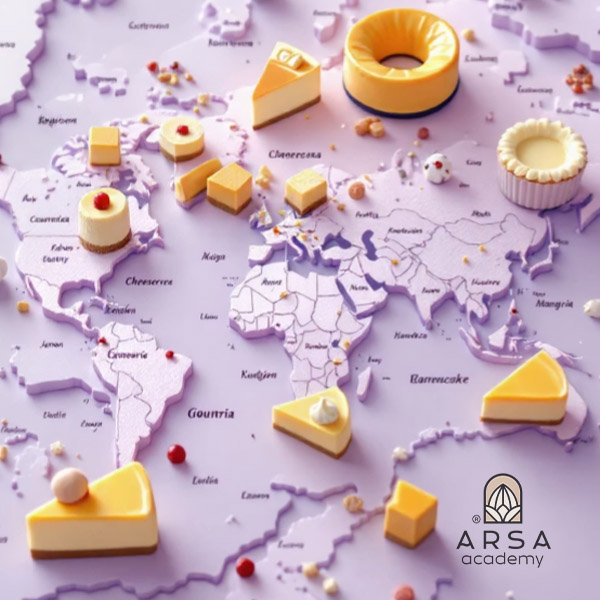
Over the centuries, cheesecake traveled across Europe and beyond, evolving into various styles based on local ingredients and culinary traditions:
These regional adaptations eventually created a wide variety of cheesecake styles worldwide.
European immigrants introduced cheesecake to America, where one of the most iconic versions—New York-style cheesecake—was developed in the 1920s. Made with a dense cream cheese base, this version is rich, smooth, and intensely flavorful.
Today, cheesecake is considered a classic dessert and is widely served in cafés, bakeries, and restaurants across the globe.
One of the most famous styles, New York cheesecake is baked in the oven and made with cream cheese, sugar, eggs, and sometimes heavy cream. Its texture is dense yet creamy, with a pure, rich flavor.
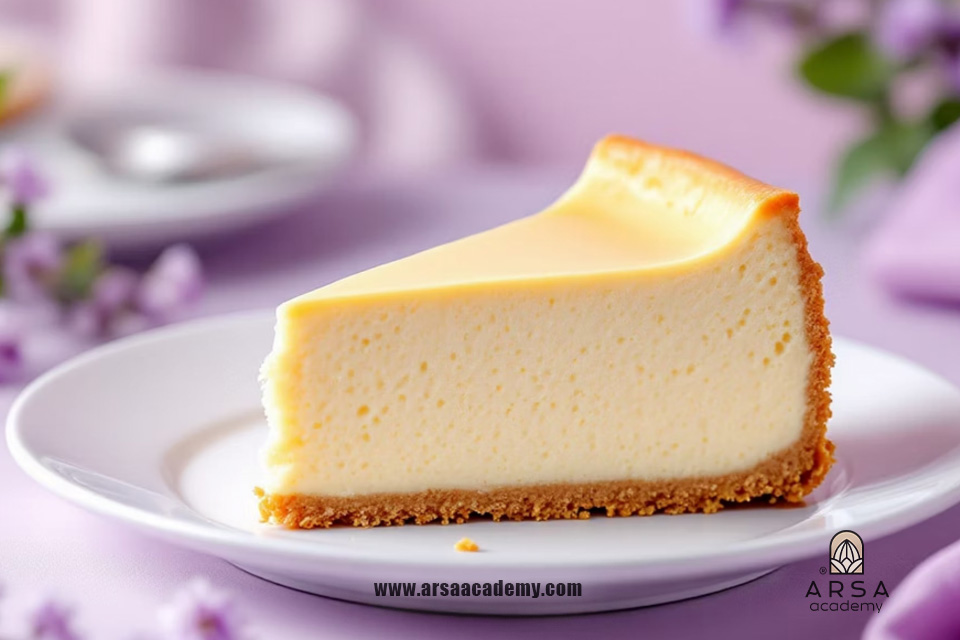
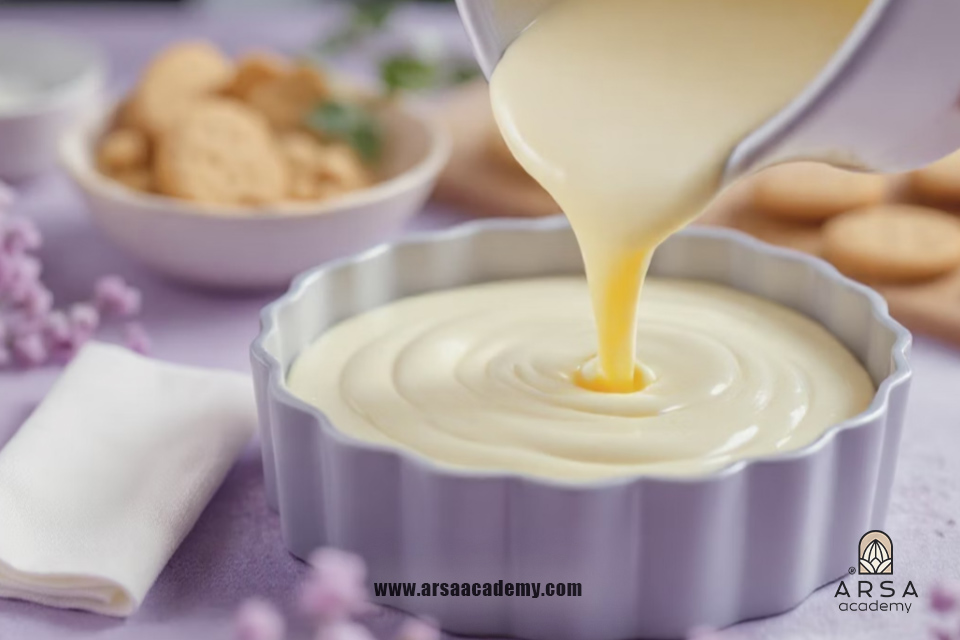
A simpler cheesecake that requires no baking. A mixture of cream cheese, whipped cream, sugar, and sometimes gelatin is poured over a biscuit crust and chilled until set.
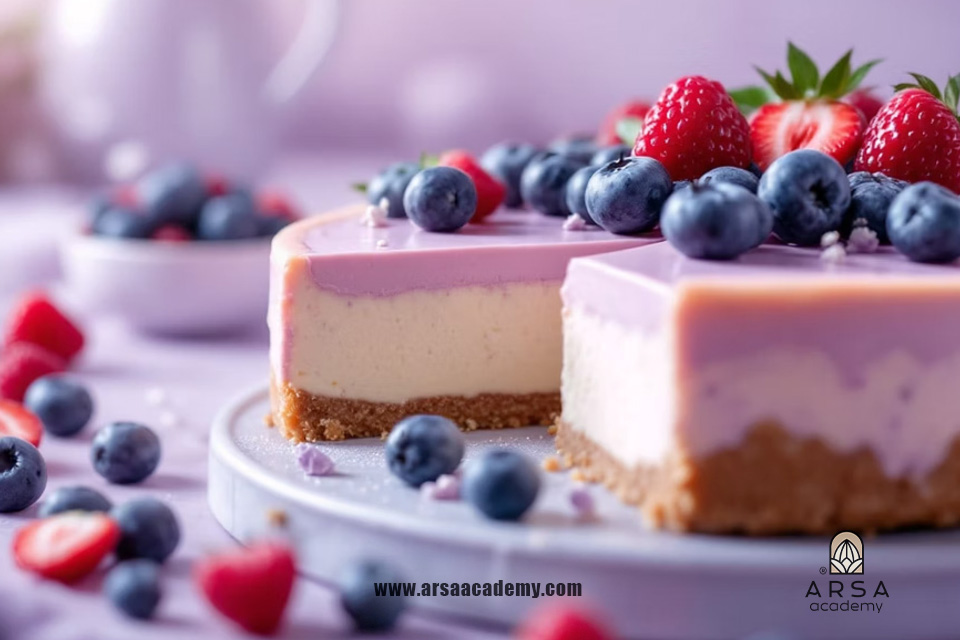
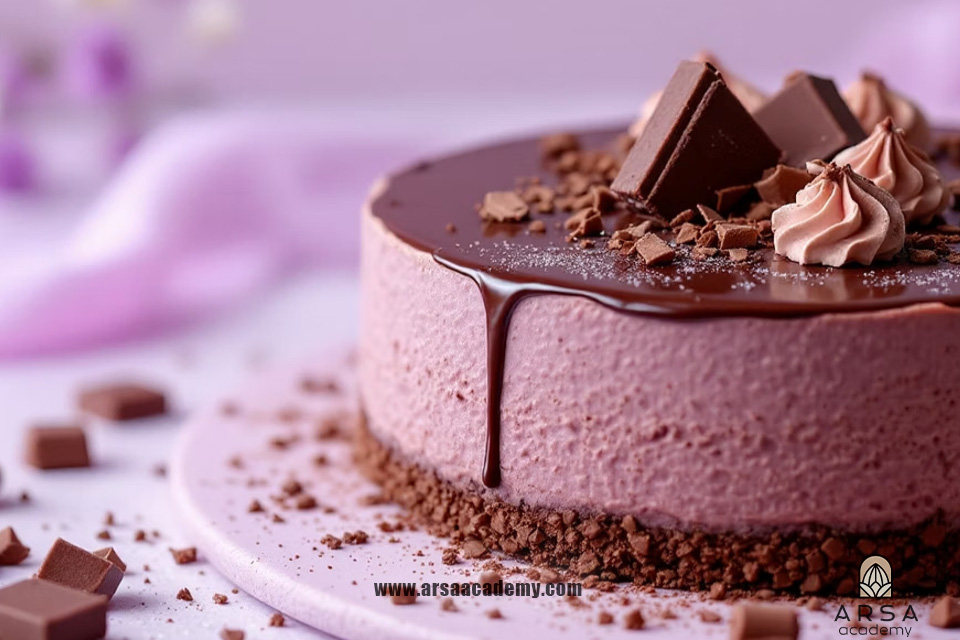
Perfect for chocolate lovers. Melted chocolate or cocoa powder is added to the filling, resulting in a rich, moist, chocolate-flavored cheesecake. It can be made either baked or no-bake and is often topped with chocolate ganache or chocolate shavings.
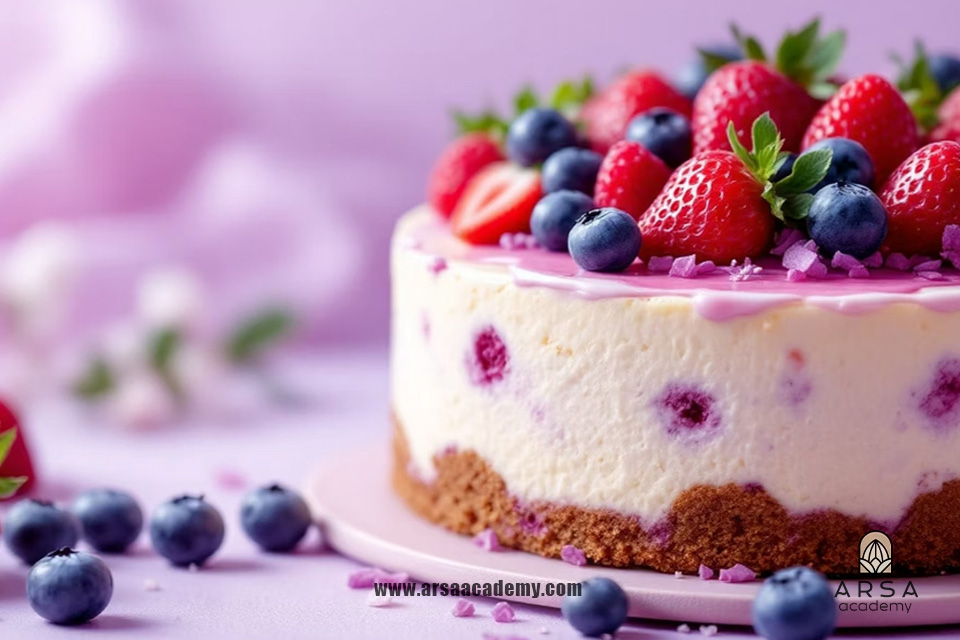
A refreshing combination of creamy cheesecake and fresh fruit. Berries, mango, and other fruits may be mixed into the filling or used as a topping. Available in both baked and no-bake versions.
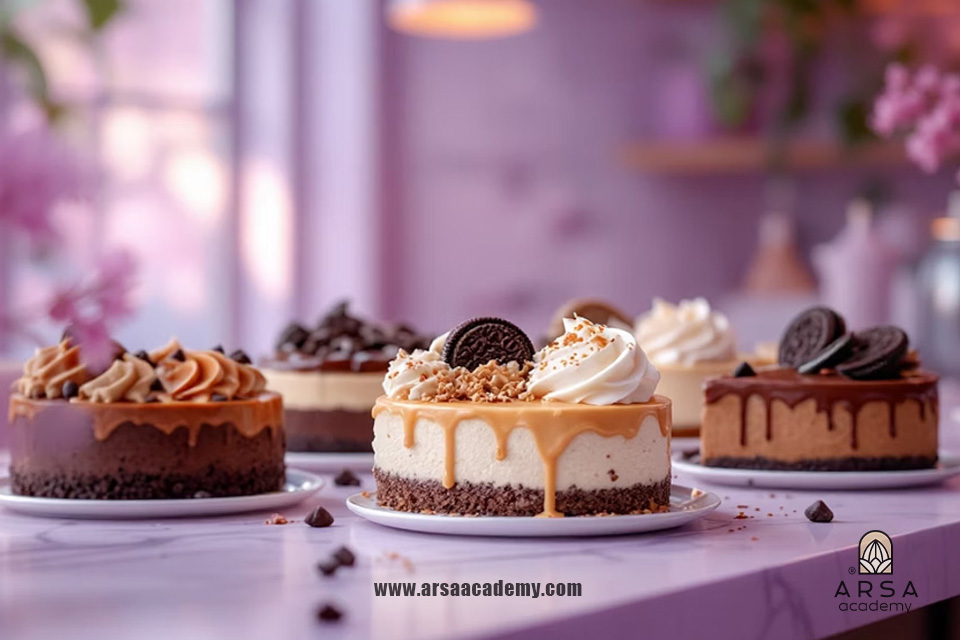
Modern café versions often feature trendy and creative flavors such as coffee, caramel, Oreo, or Nutella—designed especially for contemporary tastes.
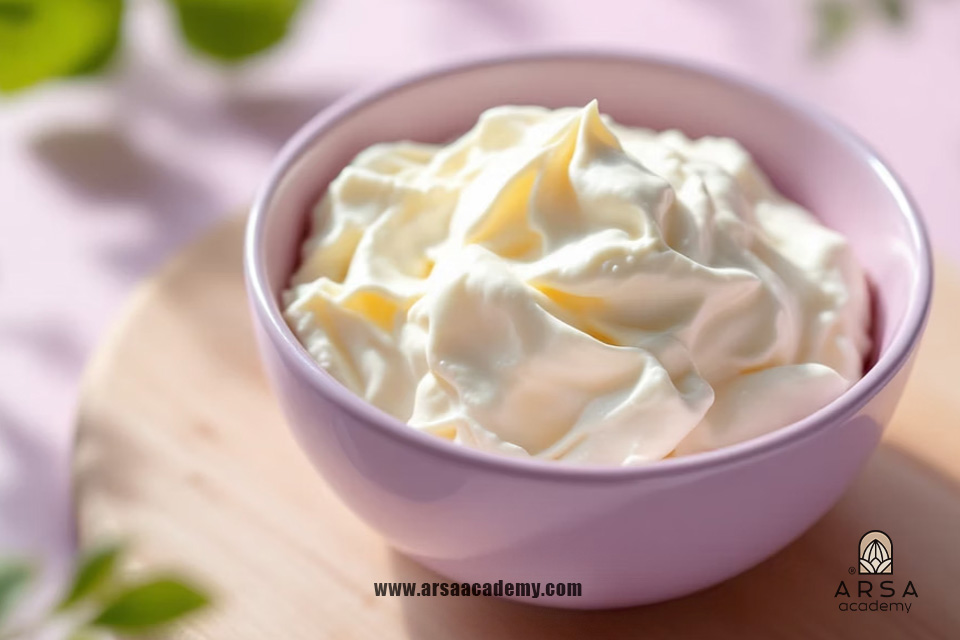
The heart of any cheesecake. High-quality, full-fat cream cheese creates a smooth and creamy texture. Low-fat or poor-quality cheese can cause graininess.
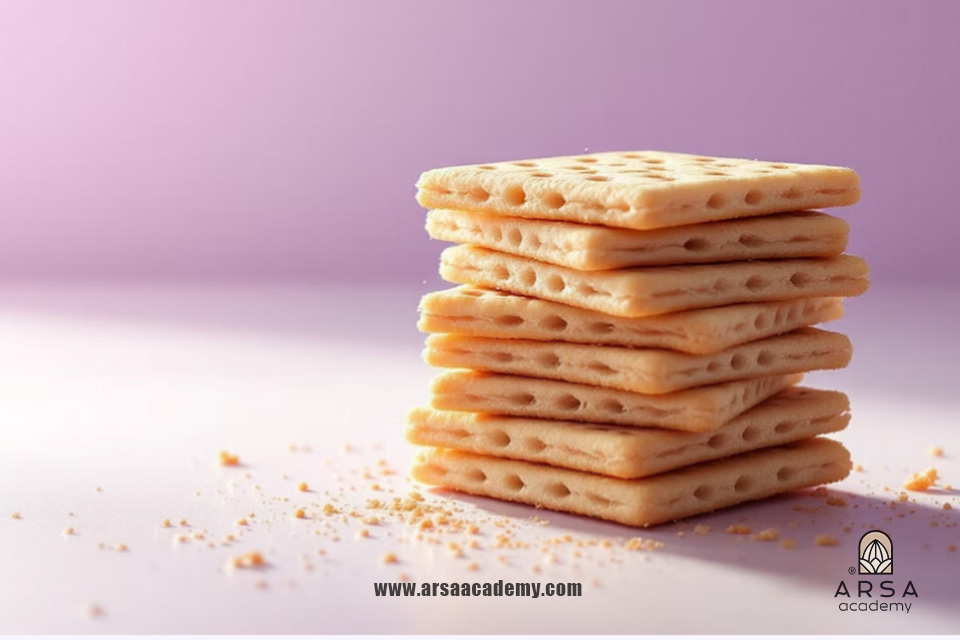
Usually made with graham crackers, butter cookies, or chocolate biscuits like Oreo.
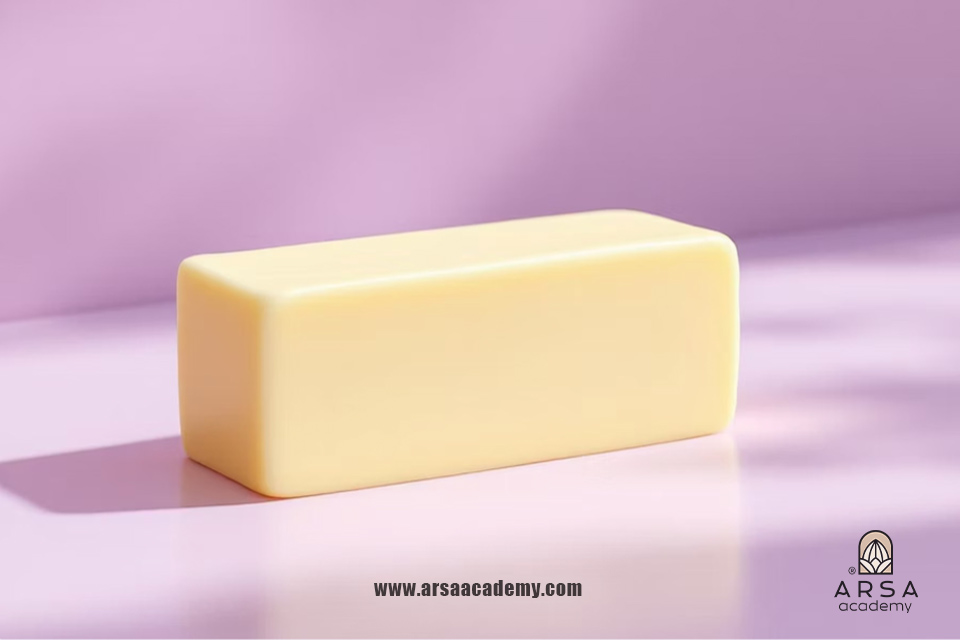
Mixed with crushed biscuits to form a firm crust.
Adds volume and lightness, especially in no-bake cheesecakes.
Tip: Always choose fresh, high-quality ingredients. Allow cream cheese to soften at room temperature for about 30 minutes before mixing.
Reasons:
Solution: Bake at a low temperature, use steam, and cool gradually.
If you’re a cheesecake lover and want to learn how to make perfect, professional cakes, the online cheesecake course at Arsa Academy is a great choice.
In this course you will learn: