Iranian dry pastries are an important part of the country’s culinary culture and have always held a special place in gatherings and celebrations. However, preparing high-quality dry pastries in a proper and professional way has not always been easy, as this skill was traditionally passed down from one generation to the next.
Today, with changes in lifestyle and the growing use of industrial methods, modern training—whether in the form of online courses or step-by-step instructions—plays a crucial role in preserving this craft and transferring its knowledge.
In this article, we explore the place of dry pastries in Iranian food culture, their evolution from tradition to modernity, and the importance of structured training in mastering this art.
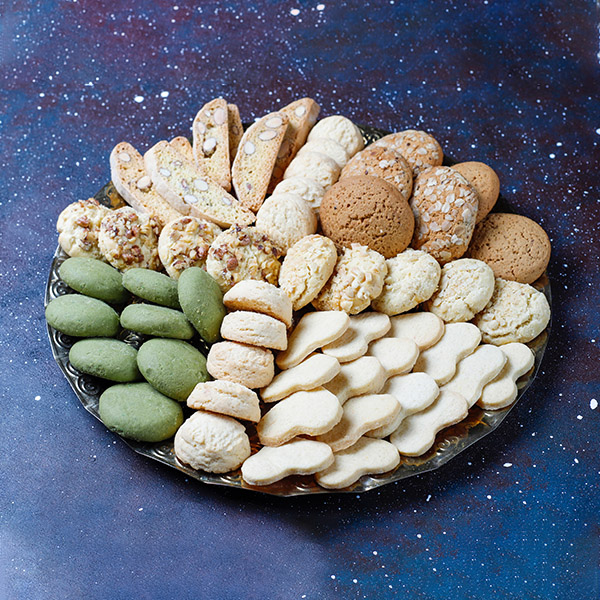
Dry pastries are more than a simple treat; they are an inseparable part of Iran’s culinary identity. With a wide variety of flavors and shapes, these pastries hold a special place across almost all regions of the country and are commonly served during significant occasions such as Nowruz, family ceremonies, and celebrations.
Each region in Iran has its own signature dry pastries that reflect the history, culture, and even climate of that area. For instance, the dry pastries of Yazd are known for their cardamom and almond aromas, while those from Qazvin often have distinctive flavors and shapes.
As lifestyles have changed, the traditional transfer of these skills has become more difficult. Consequently, many people now seek modern and structured pastry-making education to preserve authenticity while learning the required techniques more fully and accurately.
Each region in Iran produces its own dry pastries, the taste and appearance of which depend on cultural background, available ingredients, and local preferences.
For example, Yazd’s dry pastries are known for flavors such as cardamom, saffron, almond, and rosewater. Their delicate and detailed appearance reflects the refined pastry-making traditions of Yazd. These pastries are typically made at home or in small workshops with great precision and hold a special place in religious events and celebrations.
In contrast, Qazvin is famous for its nutrient-rich pastries often made with walnuts and almonds, offering flavors different from other regions. Tabriz pastries, on the other hand, showcase the complexity and richness of north-western Iran’s culinary traditions, usually featuring a dry, crumbly texture and spices such as cinnamon, cardamom, and rosewater.
This regional diversity highlights not only the variety of Iranian tastes but also the cultural significance of dry pastries. Each pastry represents the history, customs, and artistry of its people—a heritage that requires modern education to be preserved and passed to future generations.
Like many traditional crafts and skills in Iran, dry pastry-making has undergone significant changes over the years. In the past, these pastries were mainly prepared at home as part of rituals, ceremonies, and special occasions.
Over time, however, the food industry introduced large-scale and mass-production methods. Industrial production made dry pastries more widely available and longer-lasting, but sometimes at the expense of traditional taste and quality.
This shift created a clear need for modern, structured training. Online courses, workshops, and step-by-step tutorials now allow enthusiasts to learn traditional pastry-making using updated principles that ensure authenticity, quality, and hygiene.
Today, this modern approach acts as a bridge between the past and the present, helping preserve the role of dry pastries in Iran’s food culture and ensuring their transmission to future generations.

Preserving the craft of Iranian dry pastries goes far beyond keeping recipes alive—it is about safeguarding a cultural identity and heritage shaped over generations. As lifestyles change, the natural family-based transfer of these skills has declined.
Therefore, structured and modern training has become essential. Such instruction not only teaches the technical skills needed to prepare dry pastries but also conveys valuable traditional knowledge in a clear and practical way.
(We have also shared the recipes for 15 types of dry pastries in another article: “Recipes and Instructions for 15 Types of Iranian Dry Pastries.”)
To preserve the heritage of Iranian dry pastry-making and pass it on to future generations, organized and systematic education is vital. This type of training must go beyond teaching recipes and include topics such as choosing quality ingredients, maintaining hygiene, mastering precise baking techniques, and understanding the different types of Iranian dry pastries.
A well-designed course typically includes both theoretical and practical sections. From introducing premium ingredients to demonstrating proper mixing techniques, precise baking times, and correct storage methods—every aspect is taught step by step.

Iranian dry pastries form a rich and diverse part of the country’s culinary heritage. Each region offers its own flavors and styles, often using simple ingredients crafted with great care. Below are some well-known and popular types:
(For more detailed information, see: “An Introduction to Various Types of Iranian Dry Pastries and Their Preparation.”)
One of the oldest and most famous Iranian dry pastries, made with rice flour, sugar, oil or butter, and flavored with rosewater or cardamom. It has a soft, dry texture that melts easily in the mouth.
Made with ground almonds and cardamom powder, these cookies have a pleasant, delicate flavor and are popular across many regions.
A traditional pastry from Kerman made with animal fat, flour, and sugar, known for its unique taste and texture.
Prepared with chickpea flour, these cookies have a crumbly texture and distinctive flavor. They are often decorated with pistachio powder or cinnamon.
A thin, crispy pastry commonly served at celebrations and traditional events.
A popular specialty from Qom made primarily with glucose and sugar, known for its crunchy and sweet taste.
A variation of chickpea-based pastries, sometimes decorated with coconut or sesame.
A type of cookie often shaped in molds and sometimes filled with walnuts, almonds, or pistachios.
A very popular chickpea-flour pastry flavored with cardamom and rosewater.
This vast diversity arises from differences in climate, available ingredients, and local tastes—each showcasing the cultural and artistic heritage of its region. Understanding these varieties and learning their preparation methods form an essential part of structured pastry training.
Iranian dry pastries represent a valuable part of the nation’s culinary heritage—rich in history, authenticity, and artistry. From rice cookies to regional specialties like Kak and Dry Sohan, each pastry carries its own world of flavors and craftsmanship that deserves careful attention and proper training.
Given the importance of preserving this art for future generations, structured and professional education has become more essential than ever. Such courses must teach not only technical skills but also hygiene standards, ingredient selection, and modern techniques to ensure that traditional pastries retain their authenticity and quality.
In this regard, Arsa Academy proudly offers a comprehensive training course in Iranian dry pastries. With experienced instructors, fully equipped workshops, modern tools, and a professional learning environment, the academy provides an ideal space for mastering this craft.
If you, too, wish to learn the art of traditional Iranian pastry-making in a professional and principled way—and help preserve this cultural heritage—the pastry courses at Arsa Academy are an excellent opportunity.