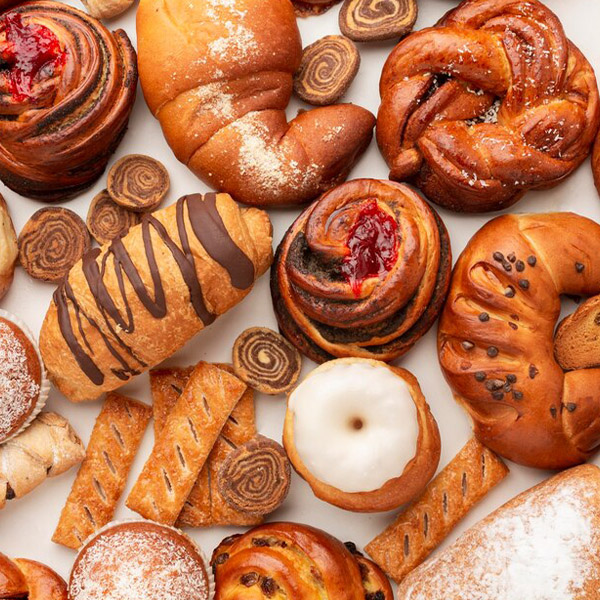

Pastry and chocolate are two captivating elements of the culinary world, each with a long and exciting history. Both of these arts are not only part of the food culture of various societies but also reflect technical, economic, and artistic developments throughout history
History of Pastry
A. Early Beginnings in Ancient Civilizations
- Ancient Egypt: Pastries made from flour and honey were prepared as special offerings in religious ceremonies.
- Ancient Greece and Rome: Simple doughs were used to make early forms of pies and tarts.
B. The Middle Ages and the Rise of Pastry in Europe
- Middle Ages: Europeans became familiar with dessert-making techniques through Islamic culinary traditions. The introduction of sugar from the Middle East dramatically expanded pastry-making.
- France in the 17th and 18th Centuries: Renowned chefs such as Marie-Antoine Carême revolutionized pastry. He introduced sophisticated layered cakes and pastries that form the foundation of many modern desserts.
C. The Modern Era
The 20th century saw the industrialization of pastry production, enabling mass production of packaged sweets—yet handcrafted pastries still maintain a distinguished status today.
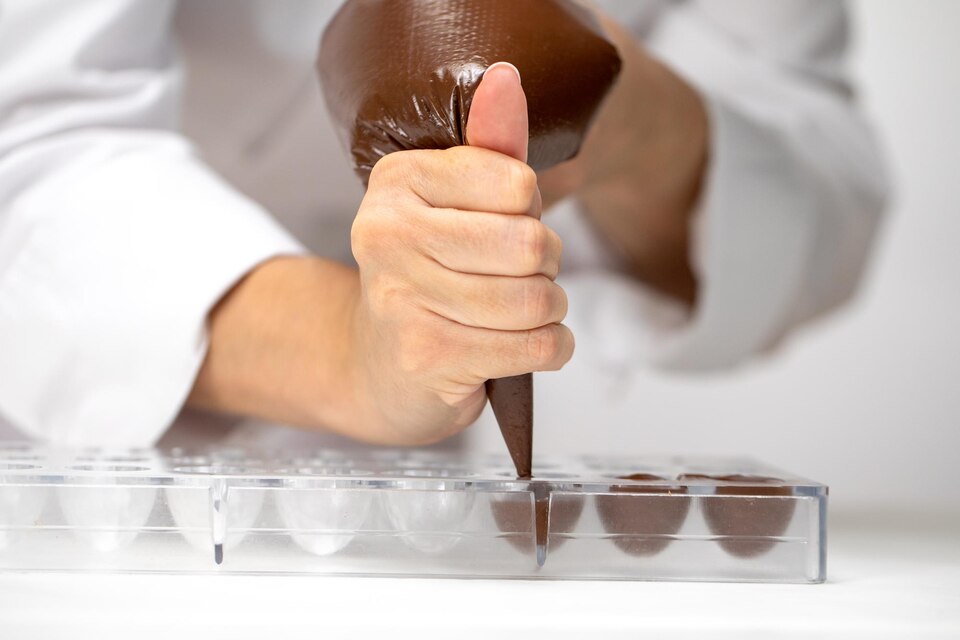
History of Chocolate
A. Chocolate in Ancient Civilizations
- Maya and Aztec Cultures: Around 1500 BCE, the Maya and Aztec civilizations discovered cacao and used it to prepare a bitter beverage often flavored with spices like chili pepper. It was consumed in religious ceremonies and valued as an energy source.
- Cacao as Currency: Cacao beans were used as a form of money among the Aztecs.
B. Introduction of Chocolate to Europe
In the 16th century, after the Spanish encountered cacao in the Americas, they brought it back to Europe.
- Transformation: By adding sugar and cinnamon, Europeans softened the beverage’s bitterness, making it highly popular among the nobility.
C. Chocolate in the 19th and 20th Centuries
Major innovations changed chocolate forever:
- 1828: The invention of the cocoa press by Coenraad Van Houten made it possible to produce cocoa powder and solid chocolate.
- 1875: Daniel Peter introduced milk chocolate, marking a new era.
- Industrial Chocolate: By the late 19th century, companies like Nestlé and Cadbury began mass production of chocolate.
D. Modern Chocolate
Today, chocolate is one of the world’s best-selling food products. From dark to white chocolate and from nut-filled bars to fruit- and spice-infused varieties, there is a chocolate for every taste.
The Connection Between Pastry and Chocolate
In the modern culinary world, chocolate has become one of the essential components of pastry. Its combination with cakes, tarts, croissants, and desserts creates an exceptional taste and a luxurious experience for consumers.
Conclusion
From ancient history to the present, pastry and chocolate have undergone remarkable transformations. These two arts—deeply intertwined with scientific and artistic advancements—continue to be pillars of gourmet cuisine and global food culture.
For more information on pastry and bakery techniques, you may explore the training courses offered by Arsa Academy.