
If you have read our previous article titled
📌 A Complete Guide to Baking Different Types of Cookies: Introduction, Recipes, and Key Tips for Professional Results,
you are probably already familiar with various cookie types, basic recipes, and ingredient combinations.
However, one crucial factor that many baking enthusiasts overlook is the direct impact of cookie texture on the overall consumer experience. Baking professional-quality cookies requires more than just following a recipe—it also depends on applying specific techniques during preparation and baking.
In this article, we take a more in-depth and professional look at the golden tips for achieving perfect cookie texture.
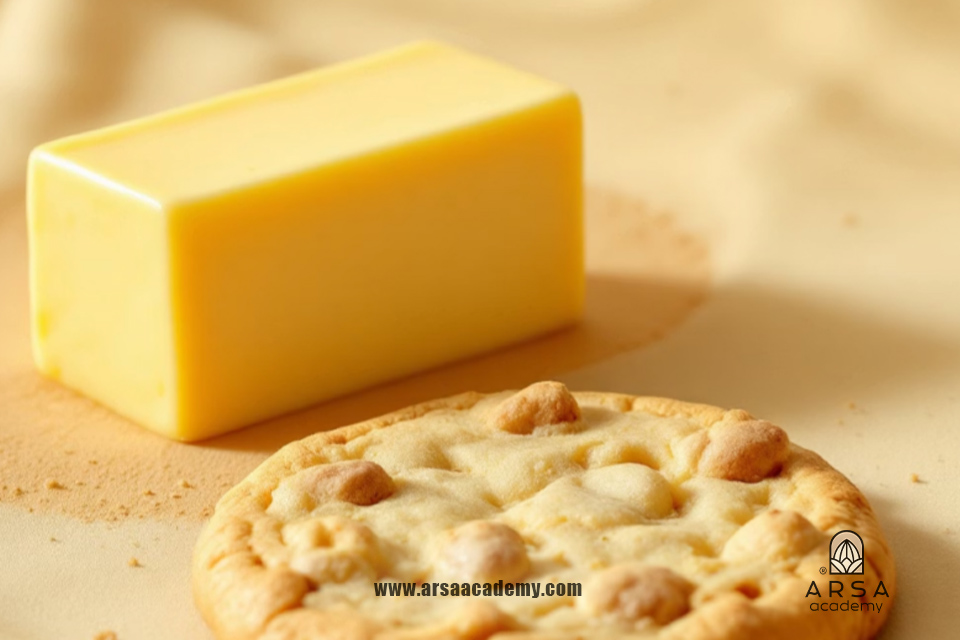
One of the first steps toward professional cookie baking is understanding the differences between cookie textures. Depending on ingredients, baking techniques, and preparation methods, cookies can have very different textures:
Soft cookies have a tender, sometimes slightly moist texture. They are usually baked at lower temperatures or for a shorter time.
These cookies are lighter, drier, and more brittle. Longer baking times and higher temperatures typically create this texture.
These resemble cake in structure, with a light, airy, and fluffy crumb. A higher proportion of eggs, baking powder, and flour contributes to this texture.
When choosing the desired texture, it’s important to consider the final purpose, consumer preferences, and even the serving style (for example, served with coffee or sold as packaged products). Next, we examine how ingredients influence these differences.
Ingredient composition directly affects not only flavor, but also the final texture of cookies. Below is a breakdown of how each key ingredient contributes to different textures:
The type of flour and its gluten content play a major role.
Butter or margarine is the main fat in cookies and contributes to tenderness.
The ratio of white sugar to brown sugar is critical.
Eggs act as binders and tenderizers.
These leavening agents influence volume and structure.
Although mainly flavor enhancers, proper amounts help maintain balance and prevent excessive sweetness.

If your goal is soft, chewy cookies, pay close attention to the following techniques during dough preparation and baking:
Brown sugar retains moisture and gives cookies a softer texture. Increase its ratio or use a blend of 70% brown sugar and 30% white sugar.
Recipes requiring soft texture often call for melted butter, which allows greater dough spread and reduces dryness.
Adding one extra yolk increases fat content and enhances chewiness.
Soft cookies should not be overbaked. Once the edges turn lightly golden and the center remains soft, remove them from the oven—the final texture will set as they cool.
Resting the dough in the refrigerator for 1–2 hours allows flour to absorb moisture evenly, improves texture consistency, and prevents excessive spreading.
If you prefer dry, light, and crunchy cookies that snap with each bite, apply the following techniques:
White sugar contains less moisture than brown sugar and creates a drier texture during baking. You may eliminate brown sugar entirely or reduce it significantly.
Cold butter helps the dough maintain its shape and results in crispier cookies. In some recipes, margarine also contributes to a more brittle texture.
Thinner cookies bake faster and become crispier. Using smaller measuring scoops ensures even baking.
Lower the oven temperature slightly (around 160–170°C / 320–340°F) and bake longer. This allows moisture to evaporate fully without burning the cookies.
Eggs—especially yolks—soften cookies. Omitting eggs or using only a small amount of egg white results in a crisper texture.
For more advanced insights, refer to the article:
“12 Cookie Baking Mistakes and Golden Techniques Only Professionals Know.”

Freezing, and Shaping Techniques
Achieving the desired cookie texture—soft, crispy, or cake-like—requires more than just ingredient selection. Execution from preparation to baking plays a critical role. Below are four essential factors:
Precise temperature and timing are among the most important elements of professional baking.
Tray placement also matters—always place the baking sheet on the middle rack for even heat distribution.
Resting the dough—especially in the refrigerator—leads to more professional results.
Freezing cookie dough before baking is a common professional technique.
Proper shaping and spacing directly affect cookie appearance and texture:
By following these simple yet effective details, you can significantly improve baking results and avoid common mistakes.
If you want to learn professional, practical cookie baking, the specialized cookie course at Arsa Academy offers an excellent opportunity.
In this in-person course, participants learn hands-on techniques for baking more than 10 types of cookies, including:
✅ The course includes an official certificate of completion and is suitable for all levels—from beginners to professionals.
✅ Ingredients, tools, techniques, and storage tips are fully covered in the workshops.
📌 View course details and register
📌 Explore other academy courses