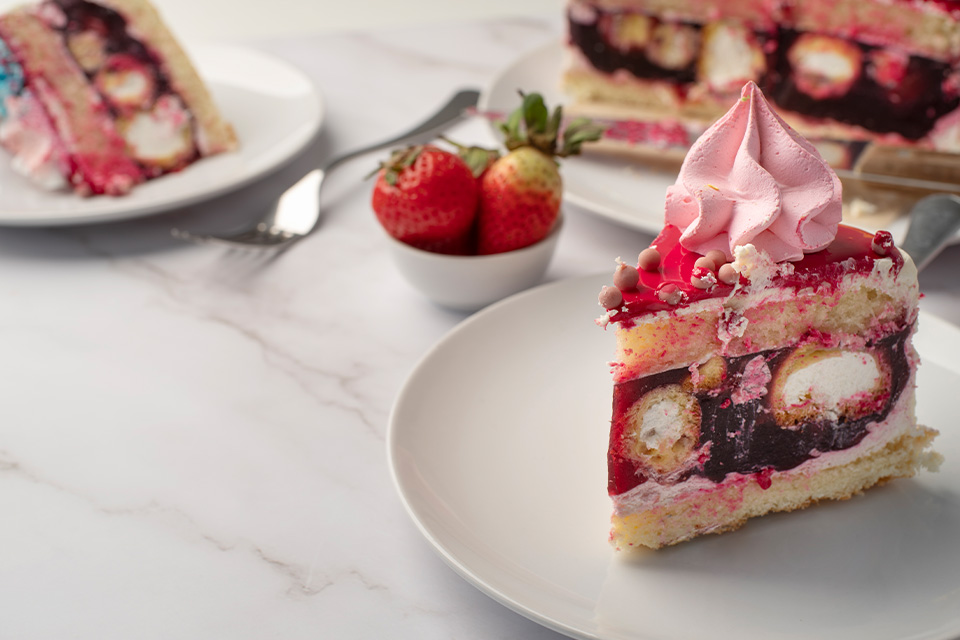
Cream cakes have always been among the most attractive and popular options for celebrations, birthdays, and special occasions. Their beautiful appearance, delicate flavor, and endless variety in taste and decoration have made learning the proper techniques of making this type of cake one of the most important skills in the world of pastry—whether for home enthusiasts or for those looking to enter the field professionally.
In this article, we will guide you step by step through the fundamentals of cream cake making—from the ingredients you need to prepare to the tools that make your work easier and more professional. Even if you have never baked a cake or worked with whipped cream before, don’t worry; this guide is fully designed for beginners and presents key tips in the simplest way possible.
Cream cakes, as one of the main types of decorated cakes, hold a special place among baking enthusiasts and consumers. Their popularity is not solely due to their pleasant taste; rather, it is a combination of technical, visual, and practical features that has made them the first choice for many occasions and training courses.
One of the most important reasons for the popularity of cream cakes is their flexibility in decoration. Whipped cream allows you to implement a wide range of designs—from simple to highly advanced—using colors, piping tips, and various techniques. This feature makes cream cakes an excellent choice for skill-based classes and professional projects.
Cream cakes are usually made with a sponge cake base, which, due to its soft and flexible texture, blends well with cream and various fillings. This harmony in texture and flavor creates a pleasant experience for consumers and distinguishes it from other types of cakes.
The ability to use diverse fillings—such as fruit-based, chocolate, custard, or combinations of these—makes cream cakes customizable for different tastes and age groups. This versatility plays a key role in their wide use at various events.
The high level of personalization in both design and flavor makes this type of cake ideal for birthdays, weddings, anniversaries, and special events. For this reason, professional cream cake training is considered one of the top skills in the pastry industry.
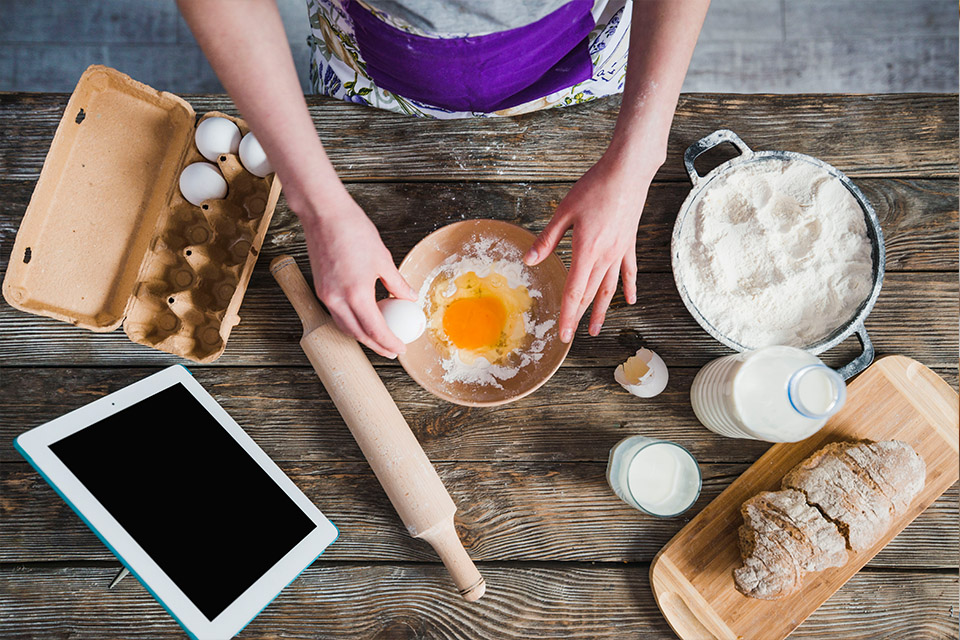
Understanding and properly selecting ingredients is the first and most vital step in making a standard, high-quality cream cake. The ingredients directly affect the texture, flavor, structure, and even the cake’s suitability for frosting.
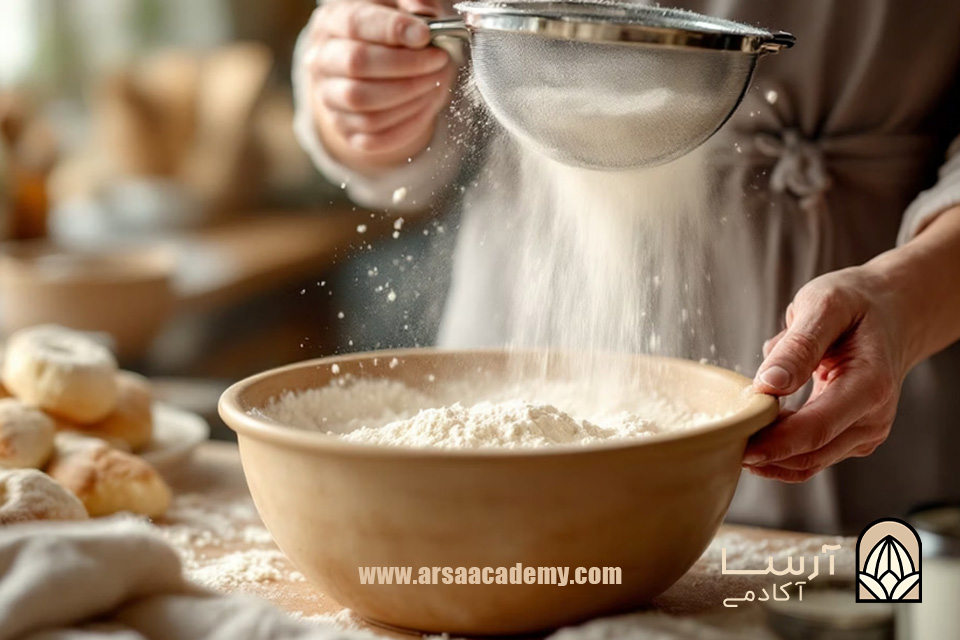
Flour is the main base of the cake, and its type greatly impacts the final texture. Cake flour or low-gluten white flour creates a light and soft texture that is ideal for frosting.
Eggs play an important role in increasing volume and structure. It is best to use room-temperature eggs to achieve a more uniform mixture.
In sponge cakes, sugar not only sweetens but also contributes to structure and layer tenderness. The ratio of sugar to other ingredients must be precise to prevent the cake from becoming too dry or sticky.
Milk contributes significantly to the cake’s softness. The amount used depends on the recipe, desired flavor, and final filling.
Some recipes use butter to provide a richer flavor, while oil results in a moister texture and longer shelf life. The choice depends on the type of cake and desired outcome.
Vanilla enhances aroma, salt balances flavor, and baking powder increases volume. Though used in small amounts, these additives play an important role in the final result.
Cream is the main element in layering and decorating cream cakes. Typically, cream with at least 30% fat content is used to ensure proper whipping. In some cases, adding powdered sugar or a stabilizer (such as whipped cream powder or gelatin) is recommended.
Making and decorating a professional cream cake requires not only proper ingredients but also precise and practical tools.
A mixer is essential for preparing sponge cake and whipping cream. Stronger mixers provide better consistency and save time, especially for larger batches.
Metal pans with flat bottoms and proper depth are recommended for even baking. The pan diameter should match the recipe to maintain standard cake height for frosting.
This tool is used to smooth the surface and sides after frosting. A scraper with a sharp edge and a 90-degree angle helps achieve a professional finish.
This rotating platform is key for even frosting and precise decoration, giving you better control while working with a spatula or piping tip.
For creating decorations such as flowers, lines, and textures, a set of quality piping tips and bags is essential. Each tip creates a unique shape and adds a professional touch.
Including a pastry brush, round cutters or rings, a serrated knife for slicing layers, a ruler for precise height measurement, and small spatulas for fine details.
Maintaining hygiene and preparing your workspace properly is crucial when making cream cakes, whether at home or in a professional setting.
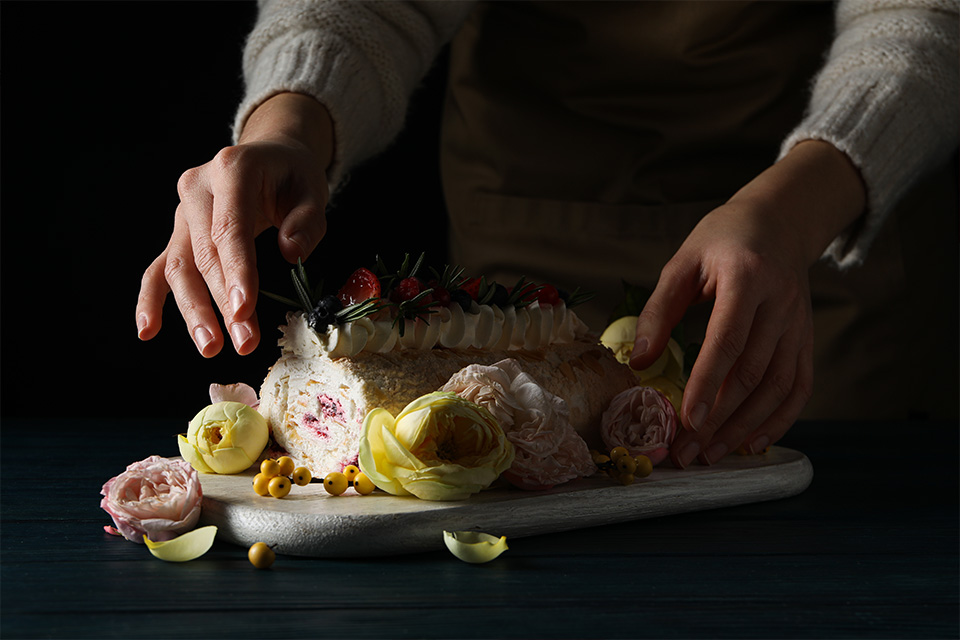
Many beginners wonder about the difference between cream cakes and fondant-covered cakes and which is better to start with.
Cream cakes are covered with whipped cream, giving them a softer, more natural look. Fondant cakes are covered with a smooth layer of fondant, resulting in a glossy, sculpted appearance suitable for detailed and three-dimensional designs.
Cream has a light, soft texture and is generally preferred by a wider range of consumers. Fondant is sweeter and chewier, which some may find heavy.
Cream cakes focus on frosting, smoothing, sharp edges, and piping techniques. Fondant work requires rolling, covering without cracks, modeling, and creating 3D decorations—often requiring more advanced skills.
Cream cakes must be refrigerated due to heat sensitivity and have shorter shelf life. Fondant cakes can be stored at cool room temperature, making them more suitable for transport.
Cream cakes are perfect for birthdays and family gatherings. Fondant cakes are often used for weddings, formal events, or showcase projects.
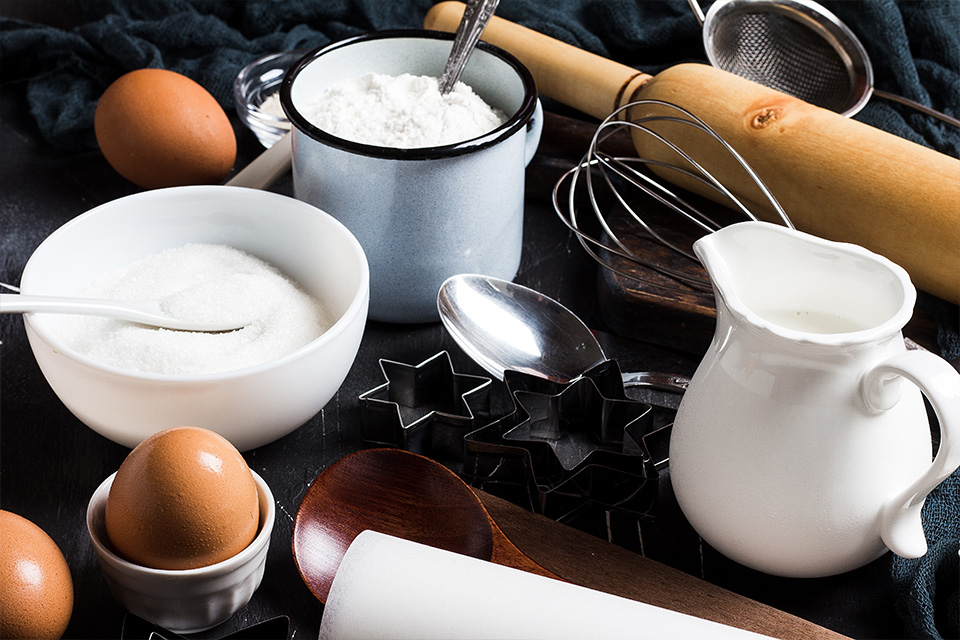
Sponge cake is one of the most important bases for cream cakes due to its light and flexible texture.
Now that you are familiar with the basics, you can begin practicing simple recipes and basic frosting techniques to develop your skills. As a next step, we recommend learning about fillings and flavoring techniques—topics that will be covered in the second article of this series.
This article serves as a comprehensive and practical guide to starting your journey with cream cakes—from standard ingredients and essential tools to important hygiene and technical tips.
If you would like to learn foundational skills through practical and precise instruction, the skill-based Modern Cream Cake course at Arsa Academy is an excellent choice—a comprehensive program that introduces you to all the principles and equipment from the ground up.